Urea Fertilizers
```html
 ```
Urea Fertilizers
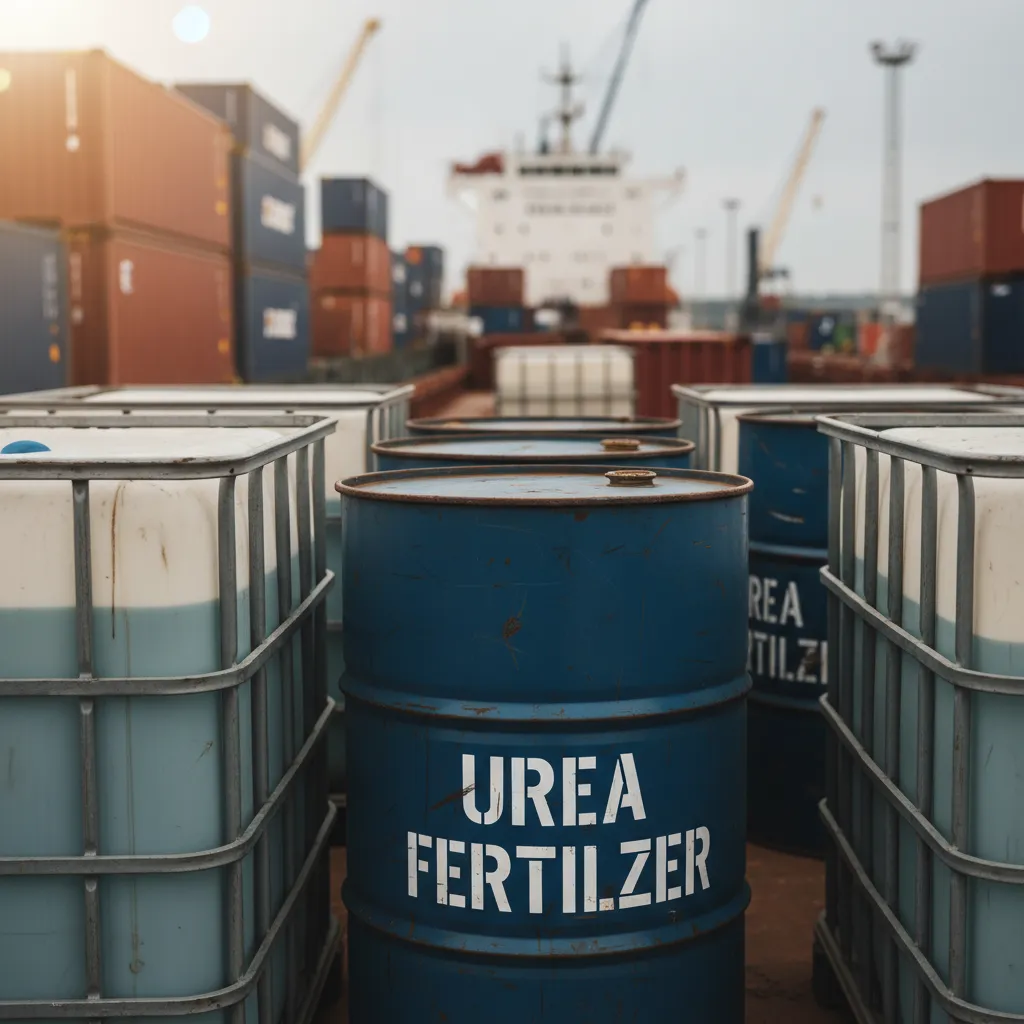
Urea fertilizers are nitrogen-rich compounds widely used in agriculture to promote healthy plant growth and maximize crop yields. As one of the most concentrated solid nitrogen fertilizers, urea provides a cost-effective and efficient way to supply plants with the essential nitrogen they need for protein synthesis, chlorophyll production, and overall development. Our urea fertilizers are manufactured to the highest standards, ensuring consistent quality, optimal nutrient release, and minimal environmental impact. They are suitable for a variety of crops and soil types, making them a versatile solution for farmers seeking to enhance productivity and improve the nutritional value of their harvests. From granular urea for broad-acre applications to prilled urea for precision farming, we offer a range of urea fertilizer products to meet diverse agricultural needs.
Why Choose Us
We provide consistently high-quality Urea Fertilizers that maximize crop yields and minimize environmental impact.
Research & Development
Our dedicated Research & Development team is continuously working to improve the efficiency and sustainability of Urea Fertilizers. We focus on innovations that minimize environmental impact and maximize crop yields.
- Developing controlled-release urea formulations to minimize nitrogen loss and improve nutrient uptake efficiency.
- Investigating the use of urease inhibitors to slow down the conversion of urea to ammonia, reducing ammonia volatilization.
- Exploring the combination of urea with other nutrients and micronutrients to create customized fertilizer blends for specific crop requirements.
When handling urea fertilizers, it's important to wear appropriate personal protective equipment, such as gloves and eye protection. Avoid inhaling urea dust and ensure proper ventilation during application. Store urea fertilizers in a cool, dry place away from direct sunlight and incompatible materials. Always follow the manufacturer's recommendations for application rates and methods to avoid over-fertilization and potential environmental damage. In case of skin or eye contact, rinse thoroughly with water and seek medical attention if irritation persists. Keep urea fertilizers out of reach of children and pets.
Urea fertilizers are highly hygroscopic, meaning they readily absorb moisture from the air. This can lead to caking and difficulty in handling. To prevent caking, store urea fertilizers in airtight containers or bags in a dry environment. Urea is converted to ammonia and carbon dioxide in the soil by the enzyme urease. Ammonia can then be converted to nitrate by soil bacteria, making nitrogen available to plants. The rate of urea conversion depends on soil temperature, moisture, and pH. Applying urea fertilizers in combination with urease inhibitors can slow down the conversion process and reduce nitrogen losses. Consider soil testing to determine the appropriate urea application rate and timing for optimal crop growth.
We offer a range of Urea Fertilizer specializations, including: Granular Urea: Ideal for broad-acre applications and mechanical spreading. Prilled Urea: Suitable for precision farming and fertigation systems. Slow-Release Urea: Formulated to provide a sustained release of nitrogen over time, minimizing nutrient losses and promoting long-term crop growth. Urea with Urease Inhibitors: Enhanced with urease inhibitors to reduce ammonia volatilization and improve nitrogen use efficiency. Coated Urea: Designed with specialized coatings to control nutrient release and protect against environmental factors.